


¿WHAT WE EXPECT?
Manu National Park Peru
A Natural Wonder with Incredible Diversity
Manu National Park is not just a protected area: it is a refuge for ancient life, with landscapes that seem straight out of a fantasy film. Here you will find cloud forests, tropical rainforests, virgin primary forests, meandering rivers, hidden lakes, aguajales, mysterious ravines, and vegetation that has remained intact for centuries.
Thanks to its unique location and diverse microclimates, Manu is home to unparalleled biodiversity. It is one of the few places in the world where climatic conditions support thousands of species that could not survive anywhere else.
Manu National Park Peru
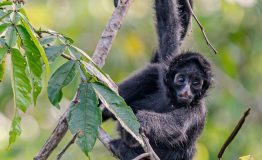
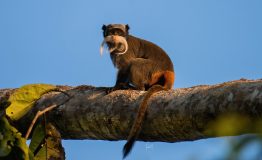
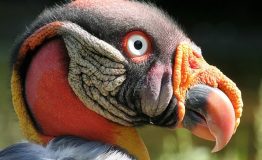
Manu Wildlife: A Wild and Secret Kingdom :This perfect ecosystem is home to everything from the tiniest creatures to the jungle’s largest predators. Here you can observe amphibians, reptiles, birds, fish, bats, primates, tapirs, deer, armadillos, and more than 13 species of monkeys, including the red howler monkey and the spider monkey.
But the star of Manu is undoubtedly the jaguar, the majestic king of the jungle, a symbol of power and mysticism. Seeing it in the wild is one of the greatest gifts this park can offer to the most adventurous travelers.
A Natural Botanical Garden
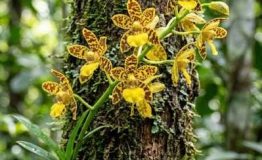
Giant trees up to 95 meters tall grow in its virgin forests, some of which are over 700 years old. It is also home to native medicinal plants such as ayahuasca, chacruna, chuchuwasa, copaiba, and a wide variety of vines, ferns, orchids, bromeliads, Amazonian fruits, and unique flowers.
This plant wealth not only has ecological value but also cultural value, as many of these plants have been used by indigenous communities for centuries as traditional medicine and tools for spiritual connection.
Manu National Park Peru
The Second Most Biodiverse Place on the Planet
UNESCO has recognized Manu National Park as one of the most biodiverse ecosystems in the world, the second most important place on the planet in terms of species diversity, after Yasuní Park in Ecuador. It is a place where nature still holds secrets, legends, and ancestral knowledge waiting to be discovered.
A Living Legend of the Peruvian Amazon
Exploring Manu is like traveling back in time, to a primeval, untouched Amazon, where life flourishes in every corner. It’s a place full of energy, spirituality, and wild beauty, ideal for travelers seeking authentic experiences, connection with nature, and wildlife photography.
This park not only preserves biodiversity: it preserves the soul of the Amazon.
- Manu National Park
- Peruvian Amazon
- Manu biodiversity
- Tourism in the Peruvian jungle
- Jaguar in Manu
- Trip to Manu National Park
- Medicinal plants of Peru
- Manu rainforests
DETAILED TOUR ITINERARY:
Manu National Park: Complete Guide to Discovering One of Peru’s Great Natural Treasures
Manu National Park is one of the most extraordinary destinations for travelers who want to immerse themselves in the Amazon rainforest of Peru. Located between the Andes of southeastern Peru and the Amazon Basin, this vast territory encompasses mountains, cloud forests, tropical rainforest, rivers, lakes, and an extraordinary concentration of wildlife.
Traveling to Manu does not simply mean visiting a nature reserve. It means entering one of the places where biodiversity, spectacular Amazonian landscapes, and cultural diversity are still part of the same territory.
For travelers interested in wildlife, birdwatching, nature photography, hiking, and responsible tourism, Manu offers an experience very different from that of other Amazonian destinations in Peru.
Where Is Manu National Park?
Manu National Park is located in southeastern Peru, between the regions of Cusco and Madre de Dios. Its territory encompasses the Manu River basin and extends from the high Andes to the lowlands of the Amazon rainforest.
This extraordinary variation in altitude explains much of its natural richness. Within the same territory, visitors can find high-mountain environments, cloud forests, and vast areas of tropical rainforest.
The park covers approximately 1,716,295 hectares, a size that helps explain why Manu is considered one of the most important natural areas in Peru.
Why Is Manu National Park So Important?
The importance of Manu is mainly related to the enormous diversity of ecosystems and species it protects.
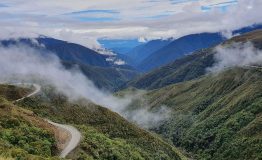
The territory begins in Andean areas above 4,000 meters (13,100 feet) above sea level and gradually descends toward the Amazonian lowlands. Along the way, visitors encounter mountains, valleys, cloud forests, and lowland rainforest.
This combination of altitudes creates an extraordinary variety of habitats.
The park also has great cultural importance. Several Indigenous peoples maintain ancestral relationships with these forests and rivers, while some Indigenous populations live in conditions of isolation or limited contact with the outside world.
For this reason, understanding Manu also means recognizing that it is a territory where nature conservation is closely connected to the protection of Indigenous peoples and their traditional ways of life.
History and Creation of Manu National Park
Manu National Park was established on May 29, 1973, through Supreme Decree No. 0644-73-AG.
Its creation was intended to protect representative examples of the biological diversity of the tropical forests of southeastern Peru while promoting scientific research and protecting the cultural diversity of the Indigenous populations living in the area.
Later, international recognition further strengthened Manu’s importance as a conservation area.
In 1977, UNESCO recognized Manu as a Biosphere Reserve. Ten years later, in 1987, the park was designated a Natural World Heritage Site.
These recognitions reflect the exceptional importance of the area for biodiversity conservation.
Manu’s Biodiversity: A Paradise for Wildlife Watching
One of the main reasons to travel to Manu is the opportunity to observe an enormous variety of species in their natural habitats.
Available records mention approximately:
- 160 species of mammals.
- More than 1,000 species of birds.
- Nearly 140 species of amphibians.
- Around 50 species of snakes.
- Approximately 40 species of lizards.
- 6 species of turtles.
- 3 species of caimans.
- Nearly 210 species of fish.
For travelers, these numbers take on real meaning when exploring the park’s trails, rivers, and lakes and discovering that each ecosystem offers different wildlife-watching opportunities.
Mammals You Can Find in Manu
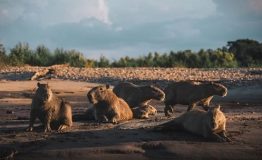
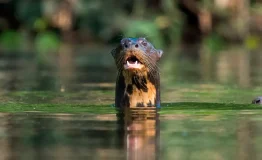
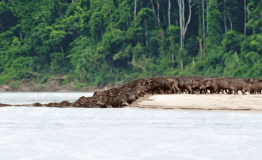
Among the most iconic species are jaguars, lowland tapirs, white-lipped peccaries, collared peccaries, deer, giant river otters, capybaras, and numerous species of monkeys.
The jaguar is undoubtedly one of the animals most sought after by visitors. However, seeing one in the wild requires patience and, above all, realistic expectations: Manu is a wilderness area, and wildlife sightings can never be guaranteed.
The aquatic environments are also particularly interesting. In certain oxbow lakes and sections of the Manu River, visitors may search for species such as giant river otters, while forested areas offer opportunities to observe primates and birds.
Manu: An Exceptional Destination for Birdwatchers
With more than 1,000 recorded bird species, Manu National Park holds a privileged position among birdwatching destinations around the world.
During an expedition, visitors may encounter macaws, parrots, toucans, birds of prey, and numerous species associated with the different rainforest environments.
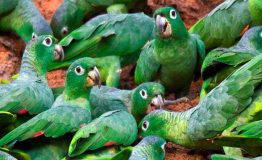
Clay licks are particularly interesting. These sites can attract large numbers of birds and other animals, making them extraordinary locations for wildlife observation and nature photography.
If you are a birdwatching enthusiast, it is worth allowing plenty of time for your excursions and bringing binoculars, a camera with a telephoto lens, and a specialized bird guide.
The Incredible Diversity of Insects
Manu’s biodiversity does not end with large animals.
The park contains an enormous variety of insects, including butterflies, dragonflies, ants, and beetles. Available records include more than 1,300 species of butterflies, around 136 species of dragonflies, and hundreds of species of ants and beetles.
For travelers interested in macro photography, this miniature world can be just as fascinating as searching for large mammals.
Flora of Manu National Park
The forests of Manu are also remarkable for their extraordinary plant diversity.
Thousands of plant species have been identified, belonging to numerous families and genera. In certain areas, an astonishing diversity of trees can be found within relatively small areas.
Notable species and plant groups include:
- Aguaje palm.
- Açaí palm.
- Cedar.
- Cecropia.
- Tornillo.
- Brazil nut tree.
- Kapok tree.
- Rubber tree.
One of the most characteristic ecosystems is the aguajal, an area dominated by aguaje palms and other trees adapted to land that remains flooded for much of the year.
Manu’s Oxbow Lakes: Prime Locations for Wildlife Watching
Oxbow lakes—former bends of the river that have become isolated and formed lakes—are some of the most interesting environments for wildlife observation.
In the lower Manu River basin, notable areas include Salvador, Otorongo, and Juárez.
Their calm waters and surrounding forests create excellent settings for exploring wildlife.
Depending on conditions, visitors may encounter aquatic birds, caimans, monkeys, capybaras, and other species during an excursion.
The experience can be especially rewarding when traveling slowly by boat or quietly exploring the surrounding areas, when the chances of detecting movement among the vegetation increase.
Clay Licks: One of Manu’s Great Natural Spectacles
Clay licks are another major attraction in the Amazonian region of Manu.
At these sites, certain animals—especially birds—gather to consume minerals found in the soil.
For visitors, witnessing a clay lick can become one of the most memorable moments of an Amazon expedition. The silence of the forest may suddenly be broken by the flight and calls of numerous birds.
Responsible observation is essential. Keeping a safe distance, avoiding unnecessary noise, and following the guides’ instructions helps minimize disturbance to wildlife.
Tres Cruces: Where the Andes Meet the Amazon
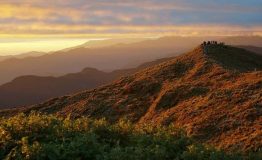
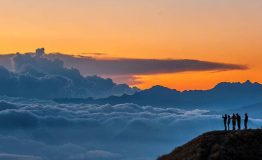
One of the most impressive landscapes associated with Manu National Park can be seen from the Tres Cruces viewpoint, located at more than 3,600 meters (11,800 feet) above sea level.
From this viewpoint, visitors can admire an extraordinary landscape in which mountains and cloud forests stretch toward the vastness of the Amazon.
During certain sunrises, a well-known optical phenomenon can occur, creating the impression that the sun appears twice.
Conditions are generally particularly favorable during the dry season, although visibility always depends on weather conditions.
For photographers, sunrise at Tres Cruces can offer an exceptional combination of light, mountains, clouds, and rainforest.
What Tourist Sites Can You Visit in Manu?
In the lower Manu River basin, there are several areas designated for tourism.
Among the main sites are:
Cocha Salvador : One of the best-known places for exploring Manu’s aquatic environments and observing wildlife from boats and authorized observation points.
Cocha Otorongo : This area stands out for its rainforest scenery and visitor infrastructure designed to facilitate nature observation, including a tower approximately 18 meters (59 feet) high.
Cocha Juárez : Another aquatic environment included in tourist excursions through the lower basin.
Pakitza
This area is associated with research, conservation, and biodiversity observation activities.
Limonal
Limonal has visitor infrastructure and serves as one of the access and orientation points within the tourist zone.
Cocha Cashu Biological Station
Manu is also of enormous importance for scientific research.
The Cocha Cashu Biological Station has become a renowned research center for tropical ecosystems.
Its importance lies in the opportunities it provides to study ecological processes, biodiversity, and the dynamics of tropical forests.
For visitors, this helps demonstrate that Manu is not simply a tourist destination: it is also a vast natural laboratory for science and conservation.
What Is the Climate Like in Manu National Park?
The climate in Manu varies considerably because of the enormous differences in altitude.
In the Amazonian areas, temperatures are warm during much of the year, while the high-Andean areas experience much colder conditions.
Rainfall also varies significantly depending on the area. Some parts of the park receive very high amounts of rainfall throughout the year.
Dry Season
Generally, from May to September, rainfall decreases and temperatures can drop, particularly at higher elevations.
This period can be particularly interesting for nature activities, although it is important to remember that Amazonian weather can change rapidly.
Rainy Season
During the wetter months, roads, rivers, and trails may present different conditions.
Rain, however, is an essential part of the ecosystem and helps maintain the rainforest’s extraordinary lushness.
Before traveling, it is advisable to check current conditions and organize your itinerary with authorized operators.
What Is It Like to Travel to Manu National Park?
Manu should not be approached as a conventional vacation destination.
The distances, weather conditions, and nature of the terrain mean that the journey requires careful planning.
Depending on the area visited and the itinerary selected, the experience may involve several forms of transportation and long journeys.
For this reason, it is advisable to organize your trip in advance, use authorized services, and confirm access conditions before departing.
What Should You Bring to Manu?
For a comfortable and responsible experience, pack with humidity, rain, heat, hiking, and wildlife observation in mind.
Useful items include:
- Lightweight, quick-drying clothing.
- A waterproof jacket.
- Boots or suitable footwear for trails.
- A hat or cap.
- Sunscreen.
- Insect repellent.
- A flashlight or headlamp.
- A reusable water bottle.
- Binoculars.
- A camera and extra batteries.
- Waterproof bags to protect electronic equipment.
- Personal documents and any regular medications.
Keep your luggage practical. On an Amazon expedition, carrying too much weight can become uncomfortable.
Responsible Tourism in Manu National Park
Visiting Manu comes with a special responsibility.
Visitors should never feed animals, chase them for photographs, or alter their behavior. It is also important not to collect plants, seeds, stones, or other natural materials from the environment.
Respect for Indigenous communities is equally important.
Travelers should follow the instructions of guides and protected-area authorities, respect restricted areas, and avoid any unauthorized interaction with Indigenous peoples living in voluntary isolation or in initial contact.
In a place like Manu, responsible travel means helping ensure that the forest remains protected for future generations.
How Many Days Do You Need to Visit Manu?
There is no single number of days that works for every traveler.
The ideal length of a trip depends on which areas you want to visit, the type of experience you are looking for, and the itinerary you choose.
For a more complete nature experience, it is advisable to allow several days, since travel times can be long and wildlife observation requires time and patience.
If your main goal is to photograph animals or birds, a longer stay can provide more opportunities than a rushed visit.
Is Manu National Park Worth Visiting?
Manu offers an especially appealing experience for travelers seeking nature, biodiversity, adventure, and contact with relatively undisturbed Amazonian landscapes.
Its main attraction is not the guarantee of encounters with particular animals, but rather the opportunity to explore one of Peru’s most biologically diverse territories and observe how its different ecosystems function.
The journey requires planning and a willingness to adapt to rainforest conditions, but that very unpredictability is part of the experience.
Essential Facts About Manu National Park .
Information Details
Country Peru
Regions Cusco and Madre de Dios
Established May 29, 1973
Area 1,716,295.22 hectares
Biosphere Reserve Since 1977
Natural World Heritage Site Since 1987
Main river Manu River
Ecosystems Andes, cloud forests, and Amazon rainforest
Activities Wildlife watching, birdwatching, photography, hiking, and boating
WHAT TOUR SERVICES:
WHAT TOUR SERVICES:
Ingrese el contenido de lista de servicios que no incluyen
ABOUT LODGE:
Tour Map:
Frequently asked questions (FAQs):
Frequently Asked Questions About Manu National Park
Where is Manu National Park located?
It is located in southeastern Peru, between the regions of Cusco and Madre de Dios, and encompasses the Manu River basin.
What animals can be seen in Manu?
Depending on the area, route, and natural conditions, visitors may observe monkeys, macaws, caimans, capybaras, peccaries, tapirs, birds, and many other species. Wildlife sightings are not guaranteed.
What is the best time to visit Manu?
The dry season, approximately from May to September, usually brings less rainfall. However, weather conditions vary depending on altitude and location, so it is advisable to check conditions before traveling.
Can Manu be visited independently?
Access and visiting conditions depend on the area. Due to the complexity of the territory and conservation regulations, it is recommended to obtain information in advance and use authorized services and tour operators.
What makes Manu different from other Amazon destinations?
One of its most important characteristics is the extraordinary variety of ecosystems found within the same territory, ranging from high-Andean environments and cloud forests to the lowland Amazon rainforest.
Is Manu suitable for nature photographers?
Yes. The enormous diversity of birds, mammals, insects, landscapes, and vegetation offers countless photographic opportunities. However, wildlife photography requires patience and respect for established viewing distances.
An Adventure into the Heart of Peru’s Biodiversity
Manu National Park represents much more than a vast area of rainforest.
It is a territory where the Andes meet the Amazon, where rivers flow through extraordinarily diverse forests, and where it is still possible to observe natural processes that have disappeared from many other places.
For travelers seeking a different experience in Peru, Manu offers an exceptional combination of adventure, biodiversity, landscapes, scientific research, and culture.
The best way to experience it is with respect: respect for the forest, the animals, Indigenous communities, and the conservation regulations that make it possible for this extraordinary territory to remain protected.

Review Manu National Park Peru.